High-stakes gambling mastering the art of risk management in casinos
High-stakes gambling mastering the art of risk management in casinos
The Importance of Risk Management in High-Stakes Gambling
In high-stakes gambling, understanding risk management is vital for both seasoned players and newcomers. This skill allows gamblers to navigate the unpredictable nature of casino games while maximizing their potential for profit. Effective risk management involves assessing personal limits, understanding the odds, and implementing strategies that mitigate losses. For instance, engaging in an ice fishing game can be a fun way to practice these strategies without the pressure of high stakes. Without these principles, players can quickly find themselves in unfavorable situations, leading to significant financial repercussions.
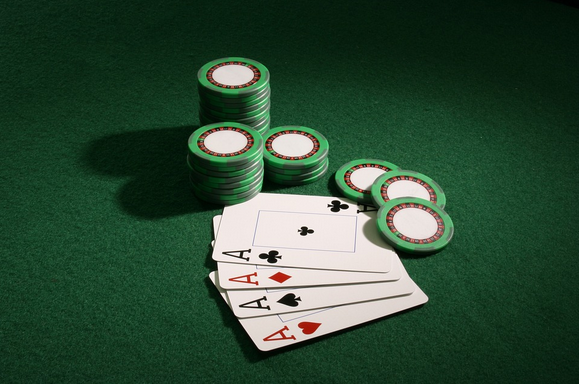
Moreover, risk management is not just about financial strategies; it’s also a psychological factor. Players must cultivate a mindset that allows them to handle the ups and downs of gambling. This involves setting boundaries and being disciplined enough to stick to them, regardless of the immediate outcomes. By acknowledging the risks and preparing for them, players can create a more enjoyable and sustainable gaming experience.
Strategies for Managing Risk Effectively
One effective strategy for managing risk in high-stakes gambling is the use of bankroll management. This involves setting aside a specific amount of money for gambling and never exceeding that limit, regardless of the temptation to chase losses. Players should ideally choose a bankroll that represents only a small portion of their overall financial resources, ensuring that even in the worst-case scenario, they can remain financially stable. Additionally, being aware of gambling addiction can enhance one’s approach to managing stakes responsibly.
Another critical strategy is to diversify betting options. Instead of placing all funds on one game or bet, spreading out investments can reduce overall risk. This strategy allows players to enjoy various gaming experiences while minimizing potential losses. Understanding each game’s odds and payouts also plays a crucial role in making informed decisions that align with a player’s risk tolerance.
The Role of Emotions in Gambling Decisions
Emotions can heavily influence decision-making in high-stakes gambling. Players often experience a rollercoaster of feelings, from excitement during wins to frustration during losses. Recognizing how these emotions impact choices is essential for effective risk management. For instance, a player feeling overly confident after a win may be tempted to take larger risks, which could lead to devastating losses.
To counteract emotional influences, players should adopt a systematic approach to their gambling. Taking breaks, setting time limits, and practicing self-awareness can help mitigate impulsive decisions driven by emotions. By maintaining a level head, players can stick to their strategies and adhere to their risk management plans more effectively.
Understanding the Odds and House Edge
A fundamental component of risk management in casinos is understanding the odds and the house edge associated with different games. Each game has a unique payout structure and probability of winning, which can significantly impact a player’s chances of success. Knowledge of these elements enables gamblers to make informed decisions about where to place their bets.
Moreover, players should always be aware of the house edge—the mathematical advantage that the casino has over players. By selecting games with a lower house edge, gamblers can improve their odds of winning in the long run. This knowledge not only aids in making smarter betting choices but also plays a crucial role in overall risk management, aligning a player’s strategies with their goals.

Finding Support and Resources for Responsible Gambling
For those engaged in high-stakes gambling, awareness of responsible gambling practices is paramount. Many casinos and online platforms provide resources and support for players who may struggle with gambling addiction or need assistance with risk management. Taking advantage of these resources can help individuals recognize when they may be gambling too much and encourage them to seek help.
Additionally, numerous organizations focus on promoting awareness about gambling addiction and offer tools for self-assessment. Players can benefit greatly from these resources, enabling them to maintain a healthy relationship with gambling. By prioritizing responsible gaming, players can ensure that their high-stakes gambling remains enjoyable and doesn’t lead to adverse consequences.
0 comments